
Friendsgiving for 10 to 30 in a Private Chicago Loft
By The Fulton West

A Friendsgiving for twenty-five falls apart in an apartment for two reasons, and they arrive in that order: the kitchen queue, then the seating. One oven cannot stage four hot dishes to land at the same time, and almost nobody owns twenty-five matching chairs.
Book a room where the tables and chairs are already set, and most of the work disappears before you have cooked anything. That is the whole argument of this post. Everything below is the detail: how many people fit at one long table, who brings what, what a potluck really costs you against a caterer, and what you still have to arrange yourself. Most Friendsgiving ideas stop at the centerpiece. This one starts at the floor plan.
The point where your apartment stops working
Somewhere between twelve and eighteen guests, a home Friendsgiving changes shape. Up to about twelve, you can seat everyone, serve from the kitchen, and still hear the person across from you. Past that, the evening splits into rooms. Half your guests eat off their knees. Whoever brought the green beans waits forty minutes for burner space. You spend the afternoon you planned standing at the stove.
The fix is boring, and it works. Move the meal into a room that already holds the table. At The Fulton West, that means 3,000 square feet of ground-floor loft at 319 N. Western Avenue in West Town, booked as one group a day, with a private room for 10 to 75 that is yours for the whole afternoon.
What 10 to 30 people actually need
One long table, or several
Twelve 6-foot banquet tables live in this room. End to end that is seventy two feet of table, and you should not try to use all of it.
The practical arithmetic goes like this. A 6-foot banquet table seats six in comfort, three a side, or eight if you add one at each end and nobody minds elbows. For ten to fourteen guests, two tables end to end gives you one clear line of sight down the middle and the single-conversation feeling people actually want from Friendsgiving. For twenty, use four. For thirty you have a real choice: one continuous run of five tables, which looks magnificent and means the two ends never speak, or two parallel runs, which splits the room into two conversations that can still see each other. Thirty people at one unbroken table makes a photograph. Two tables of fifteen makes a better dinner.
Put the food on its own table against a wall rather than down the middle of the dining table. Serving from the center eats the space people need for plates and elbows, and it traps whoever is sitting next to the turkey.

The furniture that is already in the room
The room comes with its furniture, which is the part that removes the most work. You get (12) 6-foot banquet tables, (45) white folding resin garden chairs and (75) black and white velvet Tribeca chairs, plus (6) black high-top tables, (4) marble cabaret tables, (10) counter-height bar stools and one movable bar. Standard linens come on all the 6-foot tables, black by default, with navy blue, forest green, mauve pink and terracotta available in limited quantities. The venue manager sets the tables and chairs before you arrive.
Read the tables, chairs and linens that come with the room before you rent anything, because most hosts pay for things that are already sitting in the building.
Coats, in November
Thirty coats take up more room than anyone expects, and a Chicago November means every guest arrives wearing one. Decide where they go before the first person knocks. Ask the venue manager what the building does with coats when you confirm your date, and if the answer does not stretch to thirty, bring a rolling rack and put it somewhere that is not the doorway. Our notes on coats, load-in and the early sunset cover the rest of what a winter afternoon has to plan around.
Potluck or catered, and what each one costs you in effort
The open vendor policy here means you can bring your own caterer, bartender, florist and decor, or turn up with nothing but grocery bags. That freedom is real, and it is also a decision somebody has to actually make.
The potluck version
Everyone brings a dish. It costs less and it is more work than people expect, and the work lands on you rather than on them.
Three things make it survivable. Assign categories instead of taking volunteers, because a group of twenty left to itself brings eleven desserts. Settle the reheating question before the day: plan for dishes that travel hot in an insulated carrier or that are meant to be eaten at room temperature, and confirm what you can plug in when you book. And watch the clock on the food table. Food should not sit at room temperature for more than two hours, so set out half, hold the rest cold, and swap platters for fresh ones instead of topping them up.
The catered version
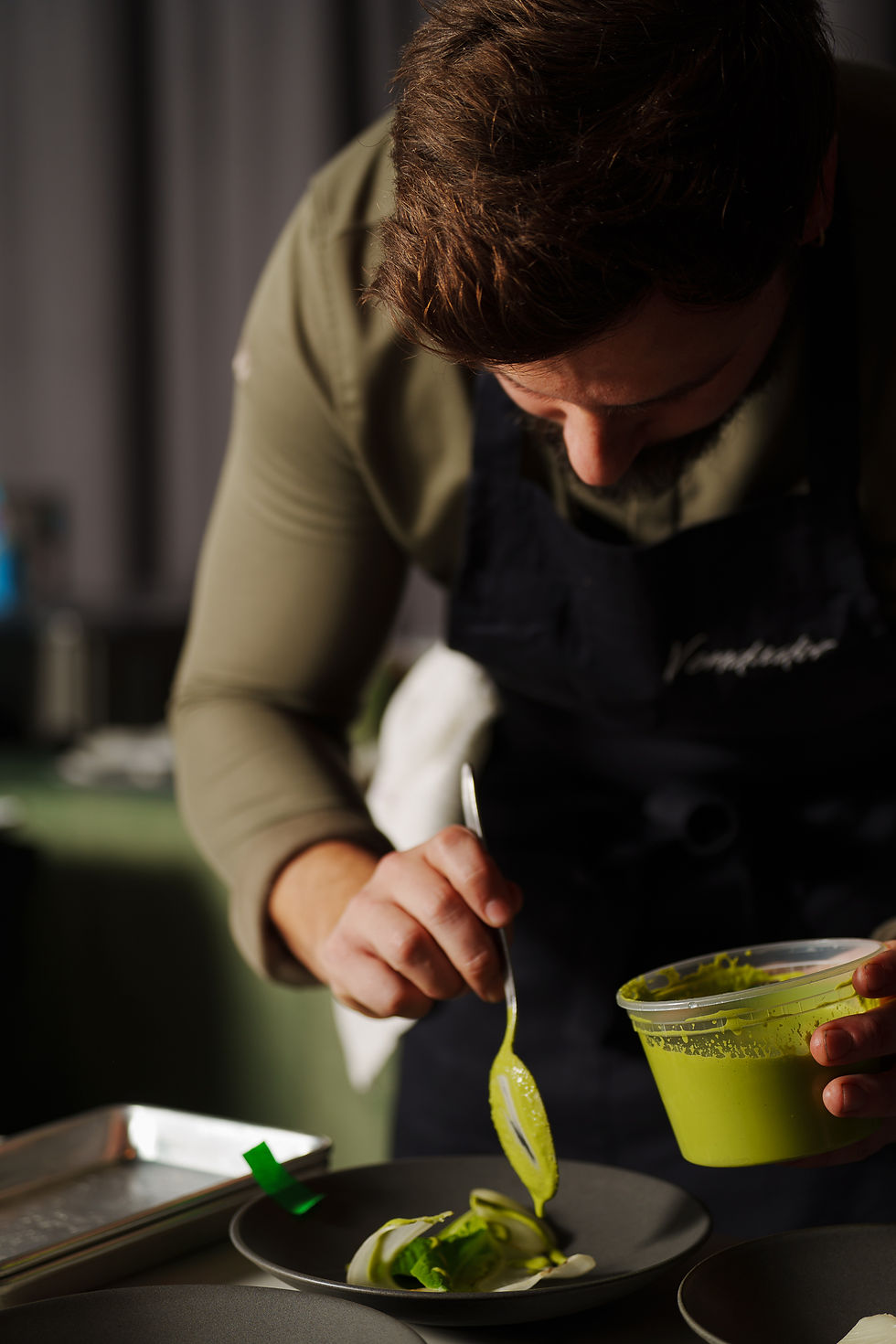
A caterer solves the heat problem and the timing problem in one move and hands you back the afternoon. Under the open vendor policy you pick your own, or ask for the preferred vendor list if you would rather start from a shortlist. Chafing dishes, service and the clear-down all sit inside the arrangement you make with them. What you are buying is the two hours you would otherwise spend managing other people's casseroles.
The version most hosts land on
Cater the turkey and two hot sides. Let everyone else bring dessert, bread, salad and drinks.
That split costs a fraction of a full catered spread, removes every part of the evening that depends on a hot oven hitting a specific minute, and keeps the thing guests actually like about a potluck, which is bringing something. It is the recommendation. If you take one line from this post, take that one.
Drinks, and the one piece of paperwork
BYOB is allowed here. You bring the wine, the beer and whatever else, which on a thirty person afternoon is the biggest single line you control.
One requirement comes attached. The published amenities page lists a host liquor liability certificate of insurance, or a licensed catering partner handling the alcohol, as the condition for bringing your own. Sort it when you book rather than the week of. [EDITOR: confirm the coverage limit, who the certificate must name as additional insured, and whether the venue has a preferred provider. Open on task 86bcpndn9.]
The movable bar in the room is furniture. It gives you somewhere to pour. If you want somebody pouring, hire a bartender, which the open vendor policy lets you do.
A running order for the afternoon
A six-hour base package covers a Friendsgiving comfortably. Here is how one runs.
First hour. You and two friends arrive. Tables and chairs are already set, so you dress the tables, build the food table, and get the drinks cold.
Second hour. The caterer or the dish-bearers arrive and food goes on the food table.
Doors. Guests arrive across about thirty minutes. Coats go wherever you decided they go. Drinks first.
Ninety minutes in. Sit everyone down and do the one toast now, while people are hungry and still paying attention.
Eat for an hour. Clear plates to a side table, never back onto the food table.
Last ninety minutes. Dessert and coffee out, people move around, the afternoon loosens up.
Final thirty minutes. Load out. Cleaning is included in the base package, so you are carrying your own things to the car rather than scrubbing.
Additional hours are available at a flat rate if you want longer, and cost sits on the rental rates page.
What you still have to arrange yourself
The room, its furniture and the on-site venue manager come with the booking. Everything else is yours to bring or hire.
Food, in whichever shape you picked above.
Drinks, plus the insurance certificate or the licensed catering partner that goes with them.
A bartender, if you want one.
Decor. Centerpieces, candles, place cards, a runner.
Plates, glasses, cutlery and napkins, unless your caterer supplies them.
Serving utensils and something that keeps hot food hot.
Music, through the Bluetooth speaker connection in the room.
A plan for coats.
Trash bags and a box for leftovers.
Street parking is free on Fulton Street and Western Avenue, two spaces are held for the host, and there is a private loading zone through the back gate, which is where your caterer will want to pull in.
Frequently Asked Questions
How many people fit at one long table?
Thirty, at five 6-foot banquet tables end to end with six to a table. It makes a striking room and the two ends cannot hear each other. For a dinner where everyone can join one conversation, twelve to sixteen guests at two or three tables is the better shape. The room holds twelve 6-foot tables in total.
Can everyone bring a dish, or do we need a caterer?
Either works. The open vendor policy means you can bring your own caterer or no caterer at all. A full potluck is cheaper and puts the coordination on you. Most hosts cater the hot centerpiece and let guests bring dessert, bread, salad and drinks.
Can we bring our own wine and beer?
Yes. BYOB is allowed with a host liquor liability certificate of insurance, or with a licensed catering partner handling the alcohol. Arrange that when you book rather than the week of the event.
How far ahead should you book a November date?
The weekends either side of Thanksgiving are the busiest of the season and the venue takes one group a day, so the calendar closes earlier than people expect. Ask for your date as soon as you have a rough headcount.
How long do you need the room for?
Six hours covers setup, a meal and a loose afternoon, which is what the base package includes. Additional hours are available at a flat rate.
What is already in the room, and what do we bring?
Tables, chairs, linens, a movable bar, high-tops, bar stools, Bluetooth speaker connection, Wi-Fi, a projector and an on-site venue manager come with the booking, and cleaning is included. You bring food, drinks, decor, tableware if your caterer does not supply it, and anyone you want serving or pouring.
Book the room
Thanksgiving lands on a Thursday and the weekends either side fill first. If you have a number in your head and a weekend in mind, check your date and we will tell you what is open.


Comments